The Olympic Aftermath: Reshaping NHL Prospects and Veterans
The Winter Olympics, a quadrennial spectacle of athletic prowess, serves as more than just a battleground for national pride; it's a high-stakes proving ground for NHL players and prospects alike. As the dust settles and athletes return to their professional clubs, the intense glare of international competition leaves an indelible mark, subtly, and sometimes overtly, shifting individual player valuations. These post olympics rankings aren't just about who won gold; they're a granular examination of who performed under immense pressure, who seized the moment, and ultimately, who truly boosted their NHL stock.
The Olympic break often acts as a crucible, exposing previously unseen strengths and weaknesses. As highlighted by analyses like "Stanley Cup Rankings Post-Olympics Shakeup," the gold-medal madness inevitably re-calibrates expectations for teams and players heading into the brutal sprint to the playoffs. For General Managers, the insights gleaned from these tournaments can be invaluable, influencing everything from trade deadline decisions to future contract negotiations and draft strategies. Momentum, or the lack thereof, can trump talent on paper, and the Olympics provide a stark, real-time assessment of that intangible quality.
Individual Triumphs and Tribulations: A Deep Dive into Player Stock
Evaluating a player's Olympic performance and its subsequent impact on their NHL stock requires looking beyond the superficial. A gold medal doesn't automatically elevate a player, nor does a poor team showing necessarily diminish individual value. The nuance lies in context, role, and the specific skills showcased under pressure.
Veteran Leadership and Steady Hands
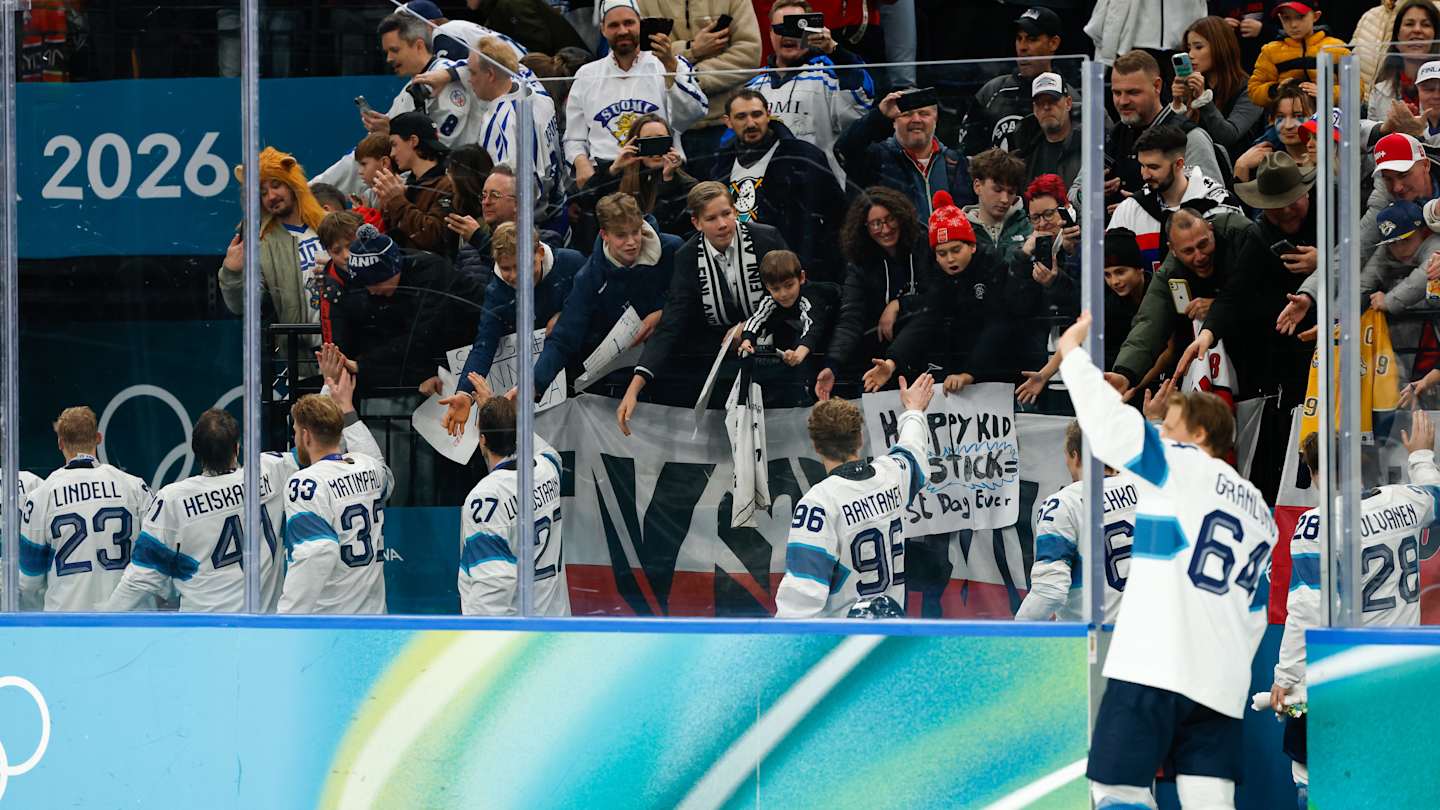
- Mikael Granlund (Finland): As captain of Team Finland, Granlund exemplified reliable veteran leadership. His three points (two goals, one assist) and an average of 17:16 ice time on the second line demonstrated his offensive capability and consistency. While he didn't light up the scoresheet in every game, his overall contribution to Finland's bronze medal victory solidified his reputation as a dependable, two-way forward. For any NHL club, a player who can perform effectively and lead on a big stage, bringing home hardware, undoubtedly maintains or slightly elevates his stock. It's a testament to his professionalism and ability to perform his role effectively, a quality highly prized in the NHL.
- Radko Gudas (Czechia): The rugged defenseman, captain of the Ducks and alternate for Czechia, had a fascinating Olympic journey. Offensively, his single assist and nine shots in five games were unremarkable. However, Gudas's true impact lies in his physicality and intimidating presence. His controversial hit that took Sidney Crosby out of the quarter-final game against Canada was a seismic moment, altering the tournament's trajectory. While some might question the legality or intent, it undeniably showcased Gudas's willingness to make a game-changing play, embodying the "big hit to change momentum" we often discuss in hockey. For teams seeking a physical, fear-inducing presence on their blue line, Gudas's stock, particularly for his specific brand of play, received a significant boost. It reinforced that he can be a catalyst, even if the scoreboard doesn't reflect it.
Emerging Prospects and Future Promises
- Jackson LaCombe (USA): Though a gold medalist, LaCombe never saw ice time, which was an unfortunate outcome for fans eager to see the Ducks prospect in action. However, merely being selected for the prestigious USA team at such a young age is a massive boost to his profile and future prospects. It signifies that he is already considered among the elite pool of young American defensemen. While his participation was a non-factor on the ice this year, the experience of being around top-tier talent, understanding the demands of international competition, and the recognition from USA Hockey should put him firmly in contention for the 2030 team. His stock rises not from performance, but from validated potential and high-level exposure.
For a more detailed look at how these performances might ripple through their home club, read our article: Anaheim Ducks Post-Olympics: Player Performances & Future Impact.
Goalie Spotlight: Rising Stars and Redemption Arcs
Goaltenders often face the most scrutiny on the international stage, and their Olympic performances can dramatically swing perceptions of their NHL readiness and value.
- Leonardo Clara (Italy): As an underdog with Team Italy, Clara made a profound statement. Facing the third most shots in the tournament with 146, his resilience was undeniable. While his 5.13 goals-against average (GAA) appears unflattering, it was largely a byproduct of a weaker defensive team in front of him. Crucially, Clara finished with an impressive .911 save percentage, a figure that rivals, and even surpasses, some everyday NHL starters. This performance is a clear stock booster. It demonstrated his ability to stand tall under immense pressure, make key saves, and maintain composure despite a constant barrage. With further development, the Ducks might have found a highly suitable backup for Lukas Dostal, or even a future starter.
- Lukas Dostal (Czechia): Dostal's Olympics presented a mixed bag. His overall .886 save percentage and 3.72 GAA might seem underwhelming on the surface. However, his most significant performance came in the quarter-final against powerhouse Team Canada, where he made 37 saves with a .902 save percentage. This crucial outing, including a "what if" moment against Mitch Marner in overtime, showcased his potential to rise to the occasion against elite competition. While the overall numbers might slightly temper expectations, that quarter-final display serves as a vital data point, reminding scouts and GMs of his capabilities under pressure. His stock remains robust, perhaps with a slight asterisk, but his capacity for clutch performances is undeniable.
The Hidden Impact: Beyond the Stat Sheet
When assessing post olympics rankings and their influence on NHL stock, it’s imperative to consider metrics beyond goals, assists, or even basic save percentages. Just as the Olympic medal count can be interpreted differently (e.g., solely by gold, or by a weighted system valuing all medals), player evaluation is multi-faceted. Scouts and GMs look for:
- Performance Under Pressure: Can a player maintain their game, or even elevate it, when the stakes are highest? The Olympics are the ultimate pressure cooker.
- Leadership Qualities: Granlund and Gudas showcased different forms of leadership – one through consistent play and captaincy, the other through imposing will and making pivotal plays. These are invaluable traits for any NHL locker room.
- Role Execution: Did a player effectively execute the role assigned to them, even if it wasn't a starring one? LaCombe, despite not playing, fulfilled his role as part of the team. Clara excelled in an unenviable role as a besieged netminder.
- Resilience and Mental Toughness: Facing 146 shots and maintaining a .911 save percentage (Clara) or bouncing back from earlier struggles for a strong quarter-final (Dostal) speaks volumes about mental fortitude.
- Exposure and Validation: Simply being selected for an Olympic team, especially for prospects, validates their potential in the eyes of the hockey world, even without ice time.
These "hidden impacts" often carry as much, if not more, weight than raw offensive numbers when GMs are making critical decisions about player development, trade targets, or free-agent signings.
Beyond Medals: What These Post-Olympics Rankings Mean for the NHL Season
The Olympic hangover can be real, but so is the momentum generated from strong individual performances. For players returning to their NHL clubs, the experience can either galvanize or deflate. For teams, the individual shifts in player stock have tangible consequences.
A prospect like Clara, who defied expectations, returns with newfound confidence and a validated skill set, potentially accelerating his path to the NHL. Veterans like Granlund, having led their nation to a medal, bring back invaluable leadership and a winning mentality that can be contagious in a dressing room. Even the controversial impact of a player like Gudas sends a message throughout the league about his unique, game-altering presence.
These individual rises and falls contribute to the broader narrative of the NHL season. Teams might find renewed vigor from their Olympians, while others might identify "cracks in the armor" that necessitate strategic adjustments. As the trade deadline looms, GMs are certainly whispering about deadline tweaks, looking for players whose Olympic performances have indicated they can provide the push needed to climb the volatile standings. For an in-depth look at how these shifts impact the race for the Cup, explore our Post-Olympics NHL Power Rankings: Stanley Cup Contender Reset.
In conclusion, the Winter Olympics offers a critical mid-season evaluation point, providing a unique lens through which to assess player capabilities under the most intense global spotlight. The shifts in post olympics rankings for individual players are a complex tapestry woven from statistical output, leadership, resilience, and the invaluable context of international competition. Who boosted their NHL stock? It's often the players who showcased not just skill, but the character and mental fortitude required to thrive when the world is watching, subtly reshaping their trajectory in the professional hockey landscape.